
Understanding the 36-Yard Zero for 5․56 Rifles
Numerous online resources offer 36-yard zero target PDFs, including full-page and multi-circle options, aiding in accurate target shooting and accuracy charts․
What is a 36-Yard Zero?
A 36-yard zero represents the distance at which a rifle’s trajectory intersects with the line of sight․ Utilizing 36-yard zero target PDFs facilitates achieving this precise zeroing point․ This method aims for a relatively flat shooting curve within common engagement ranges, typically 50-300 yards, for 5․56 rifles․
Essentially, it minimizes the need for significant holdover or under adjustments at these distances․ While a 50-yard zero is also popular, the 36-yard zero offers a slightly extended range, potentially reaching out to 350 yards, though accuracy diminishes beyond 300․ Printable targets are crucial for confirming this zero․
Why Choose a 36-Yard Zero?
Selecting a 36-yard zero provides a balance between accuracy and extended range, particularly beneficial for 5․56 rifles․ Many shooters favor it for its effectiveness within typical engagement distances of 50-200 yards․ Utilizing 36-yard zero target PDFs streamlines the zeroing process, ensuring precision․
It simplifies shooting at smaller targets, like half-sized silhouettes in 2-gun competitions, reducing the need for substantial hold-under adjustments․ While personal preference plays a role, the 36-yard zero offers a practical advantage, especially when combined with optics featuring holdover markings, like the EXPS-4․
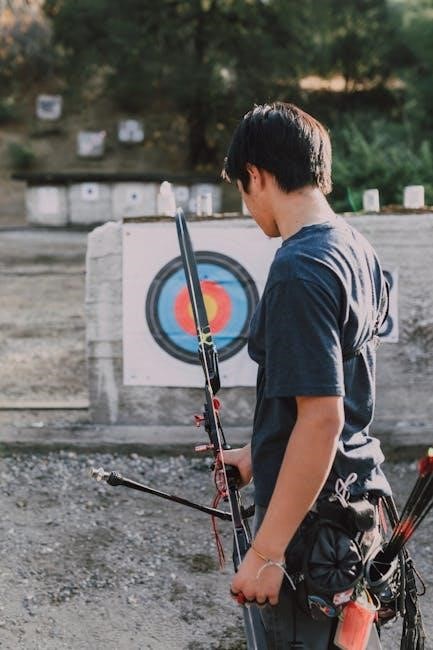
Ballistics and the 36-Yard Zero
Ballistic details significantly impact the 36-yard zero, varying with factors like bullet weight (55gr) and barrel length; utilize target PDFs for precision․
5․56 Ballistics Considerations
Understanding 5․56 ballistics is crucial when employing a 36-yard zero, as variations in ammunition and rifle configurations dramatically affect performance․ A 20-inch barrel will exhibit different ballistic characteristics compared to an 11․5-inch one․ Utilizing 36-yard zero target PDFs aids in establishing a baseline, but remember these are generalizations․
Always consult a ballistic calculator, inputting your specific load data to account for these differences․ The 5․56 round’s trajectory is influenced by factors like bullet weight, and achieving optimal accuracy requires precise adjustments․ Printable targets help visualize and refine your zero, ensuring consistent groupings at various distances․
Impact of Barrel Length on Zero
Barrel length significantly impacts the 5․56 ballistic trajectory, necessitating adjustments when using a 36-yard zero․ Shorter barrels, like 11;5 inches, yield lower velocities and a different point of impact compared to longer 20-inch barrels․ Therefore, a single 36-yard zero target PDF won’t universally apply․
Utilizing ballistic calculators is essential to compensate for these variations, inputting your specific barrel length and ammunition details․ Printable targets, like those found online, facilitate fine-tuning your zero for optimal accuracy at common engagement distances․ Remember, a precise zero is crucial for consistent groupings․
The Role of Bullet Weight (e․g․, 55gr)
Bullet weight profoundly influences 5․56 ballistics, directly affecting the 36-yard zero’s effectiveness․ A 55-grain bullet will exhibit a different trajectory than heavier or lighter projectiles․ Consequently, relying solely on a generic 36-yard zero target PDF is insufficient for optimal accuracy․
Ballistic calculations, tailored to your specific 55gr load, are vital․ These calculations account for bullet drop and wind drift, ensuring precise shot placement․ Printable targets aid in verifying your zero, but always prioritize data derived from a reliable ballistic calculator for consistent results at varying distances․
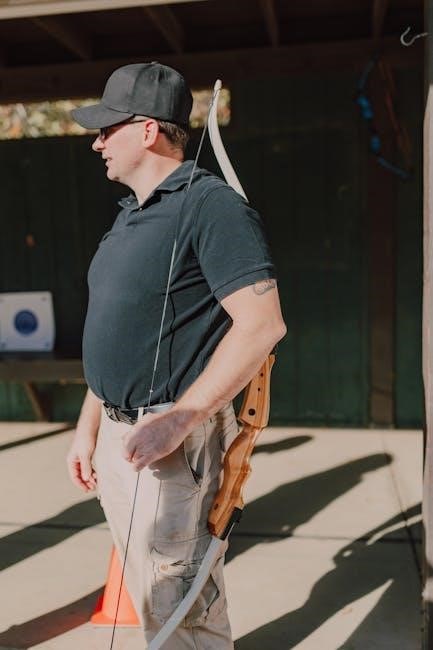
Maximum Point Blank Range (MBPR) & 36-Yard Zero
MBPR calculations, using a 36-yard zero, are crucial; a 55gr 5․56 with a 2․5” optic height yields over 300 yards, as shown in PDFs․
Calculating MBPR with a 36-Yard Zero
Determining the Maximum Point Blank Range (MBPR) with a 36-yard zero requires careful consideration of ballistic details․ Online resources, often linked within 36-yard zero target PDFs, demonstrate this process․ The MBPR isn’t a fixed number; it’s heavily influenced by factors like bullet weight (55gr is common), barrel length, and optic height above bore․
For example, a 5․56 round fired from a 20-inch barrel, paired with an Eotech optic at 2․5 inches above the bore, can achieve an MBPR exceeding 300 yards․ Utilizing ballistic calculators, often recommended alongside downloadable target PDFs, allows shooters to input specific load data and refine these calculations for personalized accuracy․
MBPR Differences Between Calibers (5․56 vs․ 300 BLK)
Significant differences exist in Maximum Point Blank Range (MBPR) between 5․56 and 300 Blackout (BLK) when utilizing a 36-yard zero․ Resources accompanying 36-yard zero target PDFs often highlight this․ The 5․56, generally flatter-shooting, will achieve a greater MBPR compared to the 300 BLK, which exhibits more parabolic trajectory․
Ballistic calculations, crucial for accurate shooting and often found alongside target PDFs, demonstrate this․ A 55gr 5․56 load will yield a different MBPR than a comparable 300 BLK load․ Details matter; precise load data is essential for accurate MBPR determination, emphasizing the need for ballistic calculators․
Importance of Ballistic Details
Precise ballistic details are paramount when employing a 36-yard zero, and understanding these nuances is often detailed alongside 36-yard zero target PDFs․ Factors like bullet weight (e․g․, 55gr), barrel length (20” vs․ 11․5”), and even optic height over bore (2․5 inches with an Eotech) drastically influence trajectory․
Ignoring these specifics leads to inaccurate holds and missed shots․ Ballistic calculators, frequently recommended with target PDFs, allow customization for specific loads․ A 5․56 load from a 20” barrel behaves differently than one from an 11․5” barrel, demanding individualized calculations for optimal results․

Practical Applications of the 36-Yard Zero
The 36-yard zero excels in 2-gun competitions and targeting at 100-200 yards, simplifying holds on half-sized silhouettes, as shown in target PDFs․
Use in 2-Gun Competitions
Utilizing a 36-yard zero proves advantageous in dynamic 2-gun scenarios, particularly when engaging smaller targets at intermediate ranges․ Competitors often face half-sized silhouettes and steel plates around the 200-yard mark, where precise holds are crucial․
The 36-yard zero minimizes the need for significant “hold under” adjustments, a common challenge with other zeroing distances․ Printable 36-yard zero target PDFs facilitate practice and familiarization with this hold, enhancing speed and accuracy during competition․
Furthermore, the zero’s inherent flatter trajectory within typical 2-gun engagement distances contributes to tighter groupings and faster target transitions, giving competitors a competitive edge․
Targeting at 100-200 Yards
When engaging targets between 100 and 200 yards with a 36-yard zero, shooters must anticipate a necessary “hold under” adjustment․ The degree of this adjustment varies based on specific ammunition and rifle configuration․
Practicing with downloadable 36-yard zero target PDFs is essential to internalize this hold and develop consistent accuracy at these common engagement distances․ Understanding the bullet drop within this range is paramount for effective shot placement․
Some shooters find it mentally simpler to hold high for longer shots, but mastering the hold-under with a 36-yard zero offers a quicker solution for targets within the 100-200 yard bracket․
Holding Over vs․ Holding Under
The 36-yard zero necessitates understanding both “holding over” and “holding under” techniques․ At closer ranges, a shooter might instinctively hold over the target, while beyond the zero distance, a hold under becomes crucial for accurate shot placement․
Utilizing 36-yard zero target PDFs during practice helps visualize and internalize these adjustments․ The specific amount of hold depends on the distance and the rifle’s ballistics․
For targets beyond 300 yards, holding over is generally preferred, while within 100-200 yards, a consistent hold under is often required, especially with a 5․56 platform․

36-Yard Zero Target PDFs & Resources
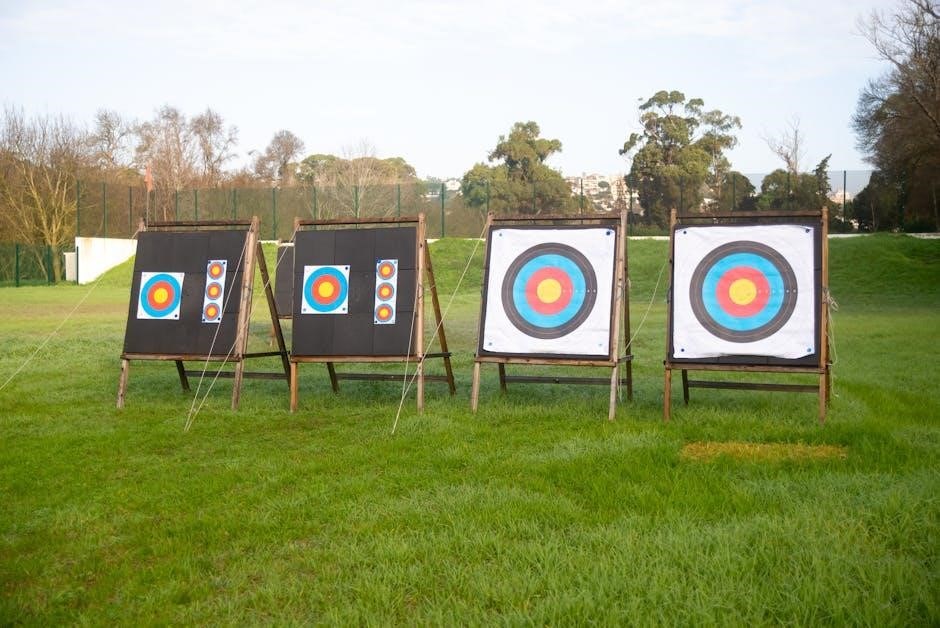
Abundant printable 36-yard zero target PDFs are readily available online, including full-page and multi-circle options for convenient shooting practice․
Finding Printable 36-Yard Zero Targets
Locating suitable 36-yard zero targets is surprisingly straightforward with a quick online search․ Many websites dedicated to firearms and shooting sports offer downloadable PDF versions, often free of charge․ These resources frequently categorize targets, making it easy to find options tailored to your specific needs․
You’ll discover options ranging from simple black bullseye targets to more complex designs incorporating multiple aiming points and scoring zones․ Several sites specialize in printable shooting range targets, and specifically highlight 36-yard zero options․ Remember to check the print settings to ensure accurate scaling for proper zeroing․
Full Page Printable Targets
When seeking full-page printable targets for a 36-yard zero, clarity and sufficient aiming points are crucial․ Many readily available PDFs are designed to fill an entire standard 8․5 x 11 inch sheet of paper, providing ample space for grouping assessment․ These targets often feature a prominent center bullseye, surrounded by concentric rings for precise shot placement evaluation․
Several websites offer dedicated collections of these full-page options, specifically geared towards zeroing rifles at the 36-yard distance․ Ensure your printer settings are configured for optimal quality and accurate scaling to maintain the target’s intended dimensions․
Multi-Circle Shooting Targets
Multi-circle shooting targets, often available as 36-yard zero PDFs, present a unique advantage for zeroing and practice․ These targets feature numerous bullseyes of varying sizes, arranged across the page․ This design allows for rapid assessment of group consistency and minimal wasted paper during the sighting-in process․
They’re particularly useful for evaluating how a rifle performs at different distances within the effective range․ Several online sources provide downloadable PDFs of these targets, catering to both casual shooters and competitive marksmen․ Remember to check print settings for accurate scaling․
Optics and the 36-Yard Zero
EXPS-4 range markings simplify holdovers, while Eotech’s 2․5-inch height over bore impacts ballistics; utilize PDFs for accurate optic-rifle pairing․
EXPS-4 Range Markings & Holdovers
The EXPS-4 holographic sight offers integrated range markings, significantly simplifying holdovers when utilizing a 36-yard zero․ These markings assist shooters in quickly adjusting for targets at varying distances, reducing the cognitive load during dynamic shooting scenarios․ Utilizing 36-yard zero target PDFs alongside the EXPS-4 allows for precise confirmation of holdover points․
Specifically, the markings can be used to compensate for bullet drop beyond the zero range, making engagements at 200-300 yards more intuitive․ This is particularly beneficial in 2-gun competitions where rapid target acquisition and accurate shooting are paramount․ The combination of a properly zeroed rifle and the EXPS-4’s markings enhances overall shooting performance․
Eotech Height Over Bore Considerations (2․5 inches)
The standard 2․5-inch height over bore common with Eotech optics significantly impacts ballistic calculations and zeroing procedures․ When employing a 36-yard zero, this height necessitates a greater understanding of bullet drop at extended ranges․ Utilizing 36-yard zero target PDFs becomes crucial for verifying point-of-impact adjustments․
Ballistic math, as demonstrated with a 55gr 5․56 round, reveals that even slight variations in height over bore can alter the maximum point blank range․ Accurate zeroing requires accounting for this factor, ensuring consistent groupings at desired distances․ Proper consideration of this height is vital for effective target acquisition․
Using Optics for Extended Range Shooting
Employing optics like the EXPS-4, with integrated range markings for holdovers, simplifies extended range shooting when utilizing a 36-yard zero․ These markings compensate for bullet drop beyond the initial zero distance, enhancing accuracy․ Utilizing 36-yard zero target PDFs aids in confirming holdover points at various distances․
However, remember that a 36-yard zero often requires holding under for targets within the 100-200 yard range․ Understanding this, and practicing with target PDFs, is key․ Ballistic calculators remain essential for customizing adjustments based on specific loads and environmental conditions․
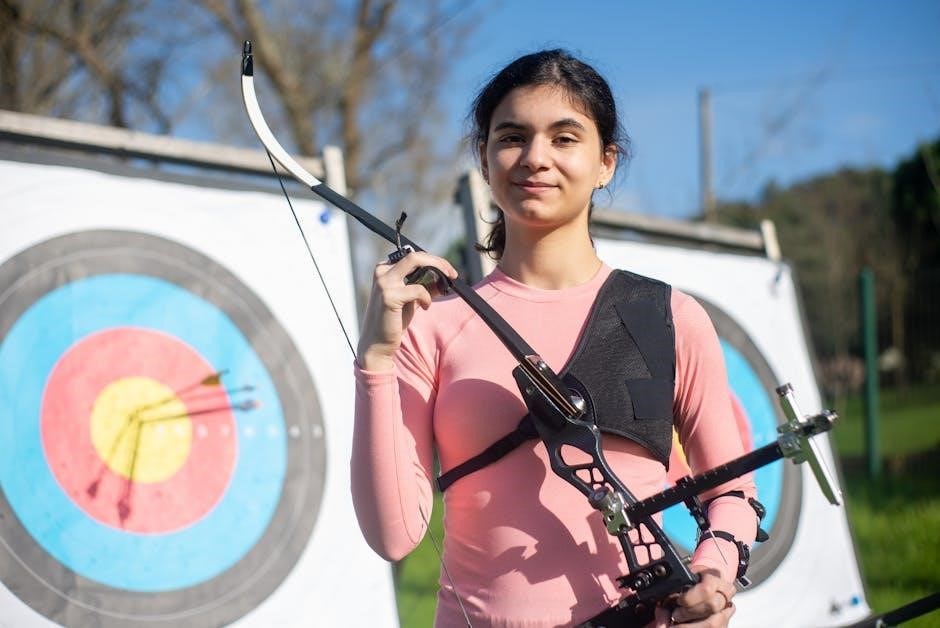
Accuracy and Grouping with a 36-Yard Zero
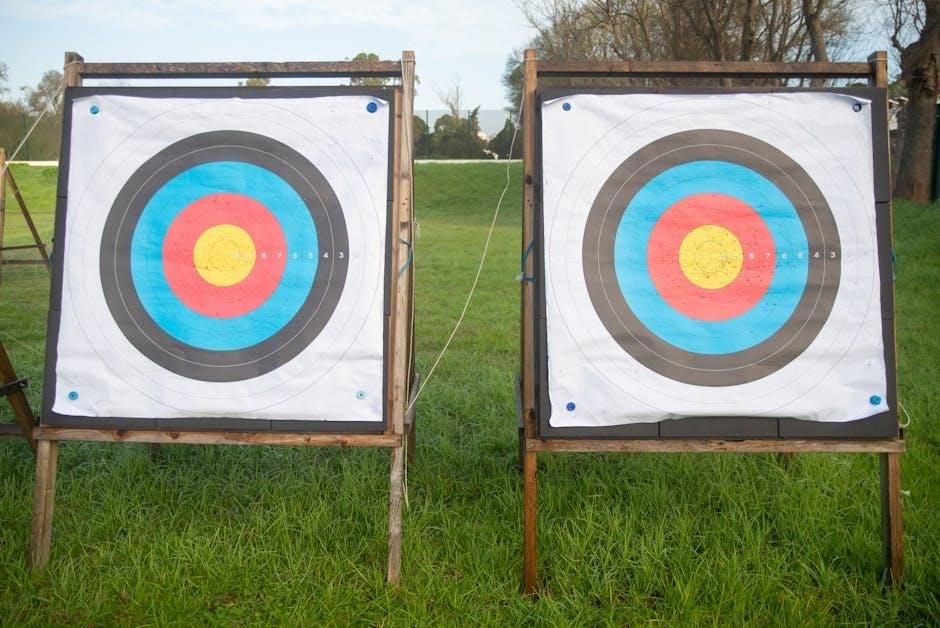
A 36-yard zero promotes tighter groupings at common engagement distances (50-200 yards), but balancing range and accuracy requires utilizing 36-yard zero target PDFs․
Tighter Groupings at Common Engagement Distances (50-200 yards)
Utilizing a 36-yard zero demonstrably improves grouping, particularly within typical engagement ranges of 50 to 200 yards․ Many shooters find this zero provides a practical advantage for common scenarios․ Printable 36-yard zero target PDFs are essential for establishing this zero accurately;
Compared to other zeroing distances, the 36-yard setup minimizes holdover or hold-under requirements within this crucial range․ This translates to faster target acquisition and increased hit probability․ Accessing and employing these target PDFs ensures consistent and reliable results, enhancing overall shooting performance and confidence․
Balancing Range and Accuracy
Achieving an optimal balance between extended range capability and practical accuracy is key․ While a 36-yard zero extends effective range to approximately 350 yards, it necessitates hold-under adjustments for targets between 100-200 yards․ Utilizing 36-yard zero target PDFs facilitates precise zeroing, maximizing accuracy within common engagement distances․
Shooters prioritizing tighter groupings at closer ranges (50-200 yards) may prefer this zero․ Conversely, those anticipating longer shots might opt for a different zero․ Printable targets are crucial for verifying and refining this balance, tailoring the setup to individual needs and shooting styles;
Ballistic Calculators and Customization
Utilizing ballistic calculators is essential for refining a 36-yard zero, accounting for specific load data and rifle characteristics, beyond target PDFs․
Importance of Using a Ballistic Calculator
Employing a ballistic calculator transcends simply utilizing a 36-yard zero target PDF; it’s about precision․ These tools account for variables a static target cannot․ Factors like atmospheric conditions – temperature, humidity, and wind – significantly impact bullet trajectory․
Furthermore, a calculator allows input of specific ammunition details․ A 55-grain bullet will behave differently than a 62-grain one, even at the same velocity․ Your rifle’s barrel length is also crucial; a 20-inch barrel produces different results than an 11․5-inch one․
Ignoring these nuances leads to inaccurate holds and missed shots․ A calculator provides customized data, ensuring your 36-yard zero translates to effective shooting at various distances․
Inputting Specific Load Data
Accurate ballistic calculations, beyond a 36-yard zero target PDF, demand precise load data․ Don’t rely on generic figures․ Input the exact bullet weight – whether it’s 55 grains or another value – as this dramatically affects trajectory․
Crucially, record the specific ammunition manufacturer and lot number․ Variations exist even within the same bullet weight․ Note the muzzle velocity; ideally, measure it with a chronograph for utmost accuracy․
Your rifle’s barrel length is also vital․ A shorter barrel will yield lower velocities․ Inputting this data ensures the calculator provides a personalized ballistic profile, maximizing the effectiveness of your 36-yard zero․
Adjusting for Environmental Factors
Beyond simply using a 36-yard zero target PDF, real-world shooting requires accounting for environmental conditions․ Temperature significantly impacts muzzle velocity; colder temperatures generally decrease it․
Altitude plays a role too, with higher elevations experiencing reduced air density, extending bullet range․ Humidity, while less impactful, can subtly affect ballistic coefficient․
Wind is perhaps the most critical factor․ Even a slight breeze can deflect a bullet, especially at longer ranges․ Utilize a ballistic calculator that allows input for these variables to refine your holdovers and ensure accurate shot placement․
Alternatives to the 36-Yard Zero
Many shooters prefer a 50-yard zero for tighter groupings at common distances, while others tailor zeroing to their specific shooting style and needs․
Preference for a 50-Yard Zero
Some shooters demonstrate a clear preference for a 50-yard zero over the 36-yard option, primarily due to achieving significantly tighter groupings at frequently engaged distances, typically within the 50-200 yard range․ This preference is especially pronounced in competitive shooting scenarios, like 2-gun, where accuracy on smaller targets is paramount․
With a 50-yard zero, less holdover is required for targets between 100-200 yards, simplifying the aiming process․ While the 36-yard zero extends range slightly, the increased need to hold under at closer ranges can be a disadvantage․ Ultimately, the optimal zero distance is subjective and depends on individual shooting style and typical engagement distances․
Considerations for Different Shooting Styles
Shooting style significantly influences the ideal zero distance; a 36-yard zero isn’t universally superior․ For those prioritizing longer-range engagements, beyond 300 yards, the 36-yard zero offers a slight advantage, though holding high becomes necessary․ Conversely, competitors focusing on rapid target acquisition at closer ranges (50-200 yards) often favor a 50-yard zero for tighter groupings and reduced holdover․
Furthermore, optic choices, like an EXPS-4 with holdover markings, can mitigate the need for precise zeroing․ Personal preference and familiarity with holdover techniques also play crucial roles in determining the most effective zero for a given shooter․
Downloading and Printing 36-Yard Zero Targets
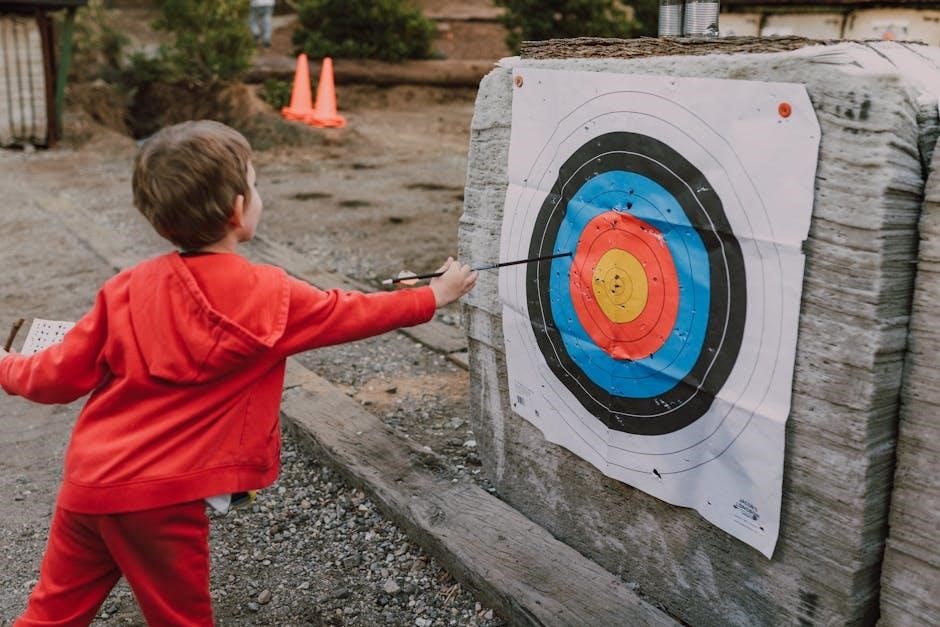
PDF files are the standard format for 36-yard zero targets, offering easy printing with adjustable settings to ensure accuracy for blank shooting options․
File Formats (PDF)
The predominant file format for readily available 36-yard zero targets is, without exception, PDF (Portable Document Format)․ This choice isn’t accidental; PDFs ensure consistent rendering across various operating systems and devices, preserving the target’s intended dimensions and clarity․
PDFs are universally supported, eliminating compatibility concerns, and they maintain the integrity of the target’s printed scale․ This is crucial for accurate zeroing․ Furthermore, PDFs are relatively small in file size, making them quick and easy to download․
Most websites offering these targets provide direct PDF downloads, streamlining the process for shooters seeking to prepare for range sessions․ The format’s stability guarantees a reliable print every time․
Print Settings for Accuracy
Achieving precise zeroing demands meticulous attention to print settings․ Always disable scaling options within your printer dialogue box; ensure the target prints at 100% of its original size․ Verify this by measuring key dimensions on the printed target against the PDF’s specified measurements․
Select the highest possible print quality setting for sharp, defined lines, crucial for accurate aiming point assessment․ Use standard, letter-sized paper (8․5 x 11 inches) for consistent results․
A test print is highly recommended before committing to a full sheet, confirming accurate scaling and clarity․ Proper print settings directly translate to a more reliable zeroing process․
Blank Shooting Target Options
Alongside pre-printed 36-yard zero targets, blank shooting target options provide versatility for customized practice․ These allow shooters to create their own aiming points or incorporate different drill formats․ Many PDF resources offer downloadable blank targets suitable for various calibers, including 5․56․
Utilizing blank targets encourages independent assessment of grouping and point-of-impact, fostering a deeper understanding of rifle performance․ They are ideal for dry-fire practice or live-fire sessions focused on fundamental marksmanship skills․
Remember to clearly mark the target with relevant details, such as date, range, and ammunition used․
The Evolution of Zeroing Techniques
Historically, zeroing distances varied, but modern ballistic optimization increasingly favors methods like the 36-yard zero, aided by readily available PDF targets․
Historical Context of Zeroing Distances
Early firearms and military doctrines often employed different zeroing standards, frequently based on anticipated engagement ranges of the time․ Traditional methods prioritized a single, fixed zero, often at 25 or 100 yards, relying on holdovers for varying distances․
The emergence of the 36-yard zero represents a shift towards optimizing for more common, closer-range engagements, particularly relevant in modern tactical scenarios and competitive shooting․ The availability of printable 36-yard zero target PDFs has facilitated wider adoption and ease of implementation․ This evolution reflects a growing understanding of ballistics and the practical needs of shooters․
Previously, standardized targets were less accessible, making precise zeroing more challenging․
Modern Approaches to Ballistic Optimization
Contemporary shooting emphasizes personalized ballistic solutions, moving beyond fixed zeros․ Utilizing ballistic calculators, shooters input specific load data – bullet weight (like 55gr), barrel length (20in vs․ 11․5in), and environmental factors – to refine accuracy․
The 36-yard zero, aided by readily available target PDFs, serves as a practical starting point for this optimization․ Modern optics, such as the EXPS-4 with holdover markings, further enhance long-range capabilities․ This approach acknowledges that “zeros aren’t one-size-fits-all,” demanding tailored adjustments for optimal performance․
Shooters now prioritize data-driven precision over generalized guidelines․